A roof does not need a dramatic hole to start failing. Sometimes the clearest warning is a section of shingles that no longer sits flat. Cracks, curled edges, and buckled areas all point to a roof that is losing its ability to handle the weather the way it should. For homeowners looking into roof repair Boise, these changes deserve attention before they lead to more serious damage.
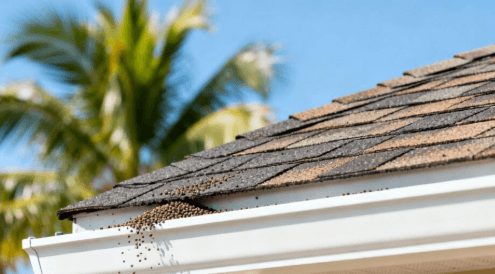
Shingle damage is easy to underestimate because it often starts as a surface issue. A few tabs lift. One section looks warped. The roof still appears mostly intact from the street. But shingles are not just there for appearance. They form the outer layer that sheds water, resists wind, and shields the materials underneath. Once they start to split, curl, or rise, the system loses reliability one section at a time.
Cracks Turn a Protective Surface Into a Vulnerable One
A cracked shingle may look minor, but it changes how water moves across the roof. Instead of passing cleanly over the surface, moisture now has a place to push through. That opening may be small, yet repeated exposure can turn it into the starting point for rot, staining, or hidden deck damage.
Cracking often shows up after shingles have lost flexibility. Years of sun exposure, temperature swings, and weather wear can dry them out until they become brittle. Once that happens, normal seasonal stress can do the rest. A roof in that condition may still look serviceable from a distance, but it has already become easier for water to penetrate.
Curling Shingles Lose Their Hold on the Roof
When shingles curl, they stop lying tight against the roof surface. That matters because flat, sealed shingles are what help the roof resist wind-driven rain and keep runoff moving in the right direction. Once the edges begin lifting, the roof becomes easier to disturb during storms.
Curling is often tied to age, but it can also suggest that the roof has been under too much heat for too long. Poor attic ventilation can accelerate that wear by trapping heat beneath the surface. Over time, the shingles lose shape and begin to pull away from the uniform layer they are supposed to create. This is where homeowners can misread the problem. Curling does not always look urgent. There may be no leak inside yet. Even so, the roof is already becoming less dependable.
Buckling Suggests Stress Below the Surface
Buckling shingles usually point to more than ordinary aging. When sections appear lifted, rippled, or uneven, the problem may involve movement below the top layer. Moisture, deck issues, or installation errors can all create that kind of distortion.
That is what makes buckling worth closer attention. It may signal that the roof is not failing from weather alone. It may be reacting to a deeper condition that has started affecting the structure beneath the shingles. If that is the case, replacing only the visible high spots may not solve the problem. A roof with buckled areas should be evaluated with the full system in mind, not just the exposed surface.
Damaged Shingles Change More Than Curb Appeal
Homeowners sometimes notice warped shingles and think mainly about how the roof looks. The bigger concern is how it performs. Once shingles stop sealing and shedding water properly, the materials beneath them have to absorb more risk.
Underlayment, flashing, decking, and insulation all depend on the top layer doing its job. If that first line of defense weakens, moisture has more chances to enter the system. Wind can also do more damage once it finds a loose edge or lifted section to work against.
This is why visible shingle damage should not be filed away as something to deal with later. Even when the problem seems localized, the roof may already be becoming more vulnerable as a whole.
Early Repairs Protect the Layers You Cannot See
Roof repairs are usually simpler when the damage is still limited to the outer layer. Once water reaches the materials below, the job tends to spread. What began as a repair to a few shingles can turn into the replacement of decking, underlayment, insulation, or interior finishes.
That is why timing matters so much. A roof rarely gets stronger by waiting. It simply gets more chances to fail under the next round of weather. Acting when shingles first begin to crack, curl, or buckle gives homeowners a better chance of keeping the repair focused.
For many homeowners, that is the real value of roof repair Boise. It is not just about fixing what looks worn. It is about preventing surface damage from becoming structural damage.
See also: A Beginner’s Guide to Buying Used Data Tape Media
Warped Shingles Mean the Roof Is Losing Reliability
Cracked, curling, and buckling shingles all point to the same larger issue. The roof is no longer holding its shape or defending the home the way it was designed to. That does not always mean full replacement is needed, but it does mean the warning signs should be taken seriously.
A roof can still look mostly intact while its performance is slipping. That is what makes these problems easy to ignore and expensive to delay. When shingles start to deform, the safest assumption is that the roof has already begun to lose reliability and should be inspected before the damage reaches further into the home.